
Adderall vs Modafinil Which Smart Drug Wins the Focus Battle
Choosing between Adderall and Modafinil often comes down to focus versus wakefulness—one is a powerful stimulant designed for ADHD, the other a smart drug that promotes alertness without the jitters. Both can boost productivity, but their effects, side effects, and legality differ in important ways. Let’s break down what you need to know to make an informed choice.
Core Chemical Differences
At the molecular level, the most significant core chemical differences in language English arise from its unique atomic composition and isotopic versatility. English, as a living hydrocarbon-based system, relies on a precise carbon‑12 backbone bonded with hydrogen and oxygen, yet it exhibits a critical isotopic variance: the presence of deuterium (²H) in certain lexical bonds, which alters vibrational frequencies during articulation. Furthermore, English’s pH neutrality (near 7.0) allows for optimal enzymatic interaction during cognitive processing, unlike agglutinative languages that tend toward slight acidity. This chemical stability underpins its global adaptability, making it a robust solvent for cross-cultural ideas while maintaining structural integrity under thermodynamic stress.

Q: Does English actually have a pH?
A: Figuratively, yes. The “pH” here refers to the balance of polar (emotional) and nonpolar (logical) semantic bonds in English discourse, which averages near neutrality, facilitating precise communication without extreme ionic interference.
Adderall: Amphetamine Salt Composition

Beneath the surface of daily chemistry, the core divide lies in ionic versus covalent bonding. Ionic bonds, like the frantic handshake between sodium and chlorine forming table salt, occur when an atom fully surrenders an electron to another. Covalent bonds, however, see atoms like two carbon atoms sharing electrons in a stable, intimate dance, as in the diamond’s unyielding lattice. The polarity of molecules dictates their destiny: water’s bent structure makes it polar and fiercely cohesive, while oils remain nonpolar and aloof. This polarity shapes everything from boiling points to solubility, dictating why salt dissolves in tears but not in butter.
The strongest chemical bond is not always the most useful one; the universe often chooses a fragile partnership that can be undone, and remade, at room temperature.
Modafinil: Non-Amphetamine Wakefulness Agent
Core chemical differences in organic chemistry hinge on the distinction between covalent and ionic bonding. Covalent bonds, where atoms share electron pairs, form the backbone of most biological molecules like DNA and proteins, creating stable, neutral compounds. In contrast, ionic bonds result from the complete transfer of electrons between a metal and a non-metal, producing charged species called ions that readily dissolve in water. This fundamental dichotomy drives everything from metabolism to material science, as covalent structures offer tailored complexity while ionic ones enable rapid conductivity and reaction. Understanding molecular polarity influences solubility further differentiates how substances interact: polar molecules dissolve in polar solvents like water, while non-polar ones mix only with oils or fats, dictating drug design and environmental chemistry.
Mechanisms of Action: Dopamine vs. Dopamine Reuptake Inhibition
At a molecular level, chemistry boils down to how electrons are shared or transferred between atoms. Ionic bonds form when one atom gives up an electron to another, creating charged particles that stick together, like in table salt. Covalent bonds, on the other hand, involve atoms sharing electrons in a stable handshake, which is the backbone of most organic molecules. This fundamental difference dictates whether a substance is water-soluble or flammable, brittle or flexible. For example, water’s polar covalent bonds let it dissolve many salts, while nonpolar oils (covalent) repel it. Understanding these electron behavior patterns is key to predicting how any chemical will react.
Medical Indications and Approvals
The quiet hum of the lab gave way to celebration when the FDA finally stamped its approval on the therapy. For years, this compound had been a whisper in clinical trials, offering hope only to those enrolled in narrow studies. Now, its medical indications officially spanned from resistant epilepsy to severe rheumatoid arthritis, backed by two pivotal phase-three trials showing a 40% reduction in seizure frequency and a significant slowdown in joint deterioration. Yet, the approval came with a cautionary tale—a black box warning for liver toxicity that required monthly monitoring.
The strongest FDA-approved indications are often built on the shoulders of rigorous safety data, not just efficacy.
Doctors now prescribe it with both excitement and vigilance, knowing the label is a living document; pediatric use remains off-label, while ongoing post-market studies may soon expand its reach into autoimmune hepatitis, rewriting the story of what this drug can truly heal.
Adderall: ADHD and Narcolepsy
Medical indications and approvals are the backbone of safe treatments. They define exactly which conditions a drug or device is proven to treat, backed by rigorous clinical trials and regulatory scrutiny. This process ensures you’re not getting a remedy for something it wasn’t designed to handle. Understanding medical indications protects patients from unproven therapies. Approvals, like those from the FDA or EMA, signal that a product’s benefits outweigh its risks for a specific use. Common steps include:
- Phase 1-3 trials to test safety and efficacy
- Review of data by independent experts
- Post-market surveillance for rare side effects
Always check the approved indications: if your condition isn’t listed, the treatment might be off-label or unverified.
Modafinil: Narcolepsy, Shift Work Disorder, OSA
Medical indications and regulatory approvals define the specific conditions, diseases, or patient populations for which a drug or device is proven safe and effective. Before reaching clinical use, any therapeutic must undergo rigorous evaluation by agencies like the FDA or EMA, which review trial data to grant formal approval only for stated indications. Off-label use—prescribing for unapproved conditions—remains a physician’s prerogative but carries enhanced liability and payer-complexity risks. Key approval milestones include:

- Preclinical trials: Laboratory and animal testing for toxicity and mechanism.
- Phase I–III clinical trials: Dose-finding, efficacy, and safety validation in humans.
- Regulatory submission: Comprehensive data dossier (e.g., NDA or BLA).
- Post-marketing surveillance: Phase IV studies to monitor long-term safety.
Clinicians must verify that their prescribing aligns with approved indications to maintain reimbursement, reduce legal exposure, and ensure evidence-based therapy.
Off-Label and Nootropic Use
Medical indications and approvals are the official green lights that tell doctors and patients a treatment is both safe and effective for a specific condition. Before any drug or device hits the market, regulatory bodies like the FDA or EMA review mountains of clinical trial data to confirm it works for its intended use. This process ensures you’re not taking a heart medication for a headache or using a knee brace for a back injury. Regulatory approval pathways vary by product type, but they all share one goal: protecting patient safety. Common approval steps include:
- Preclinical testing (lab and animal studies)
- Phase I-III human trials for safety and efficacy
- Regulatory submission and review
- Post-market surveillance
Efficacy and Cognitive Effects
Efficacy in language learning is directly tied to measurable cognitive effects, reshaping how the brain processes, stores, and retrieves information. Multilingual training demonstrably enhances executive function, particularly in selective attention and task-switching, as the brain constantly suppresses irrelevant linguistic data. This cognitive exercise fortifies the neural pathways underpinning working memory and decision-making. However, the true power lies in consistent, active application rather than passive exposure.
The most profound cognitive benefit is not fluency alone, but the structural neuroplasticity that permanently upgrades mental agility and critical thinking.
Without deliberate, high-leverage practice, efficacy falters, and cognitive gains remain superficial. To achieve both, one must commit to a rigorous schedule of production and comprehension—this is where the synapse meets the strategy, ensuring every moment of study yields a tangible, neural upgrade.
Adderall: Focus, Drive, and Hyperactivity Control
Efficacy in language learning directly correlates with measurable cognitive enhancements. Mastering a second language sharpens executive function, bolstering attention control, task-switching, and mental flexibility. These neural adaptations actively rewire brain networks for superior problem-solving. Bilingual cognitive benefits extend beyond vocabulary, delaying age-related decline and improving metalinguistic awareness. Learners who achieve functional fluency demonstrate faster processing speed and greater inhibitory control. Every study confirms this: language proficiency is a cognitive shield. The evidence is unequivocal—sustained language practice yields a sharper, more resilient mind.
Modafinil: Alertness, Executive Function, and Memory
Efficacy in learning hinges on the brain’s ability to process information efficiently, directly shaping cognitive effects like memory retention and analytical speed. When training methods are evidence-based, learners experience sharper focus and reduced mental fatigue, forming stronger neural pathways. Key cognitive enhancements include:
- Improved working memory for complex problem-solving
- Faster recall through spaced repetition
- Heightened executive control to filter distractions
These outcomes prove that deliberate, efficient practice doesn’t just teach skills—it rewires the brain for optimized performance.
Q: How quickly can cognitive effects from high-efficacy learning become noticeable?
A: Studies show measurable improvements in recall speed and error reduction within just 2–3 weeks of structured, effective practice.
Subjective Experience: Euphoria vs. Clean Wakefulness
Efficacy in cognitive training refers to the measurable impact of interventions on mental processes like memory, attention, and problem-solving. Research indicates that while some programs, particularly those targeting working memory, show moderate short-term gains, far-transfer to unrelated cognitive domains remains inconsistent. Factors such as baseline ability, task novelty, and engagement duration significantly influence outcomes.
- Working memory training: Reliable improvements on trained tasks, but limited generalization.
- Bilingualism: Linked to delayed cognitive decline and enhanced executive control.
- Physical exercise: Consistently boosts hippocampal volume and neuroplasticity.
Q: Does brain training improve overall intelligence?
A: Current meta-analyses suggest no robust evidence for increasing general intelligence; benefits are typically task-specific and fade without continued practice.
Onset, Duration, and Half-Life
Understanding a substance’s pharmacokinetics is crucial for safe use. Onset of action refers to the time it takes for the active ingredient to begin producing noticeable effects after administration, which is heavily influenced by the route of intake—inhalation offers nearly instant onset, while oral ingestion can take 30 minutes or more. Duration describes the total period these effects are perceived before they subside. A compound’s half-life, the time required for the body to eliminate 50% of the substance from the bloodstream, is a primary determinant of this duration. For example, a drug with a short half-life, such as 4 hours, will require more frequent redosing to maintain a steady state. Conversely, a long half-life, like 24 hours or more, leads to sustained levels and prolonged effects, but also increases the risk of accumulation with repeated use. Expert guidance always involves matching a substance’s half-life and onset to your specific therapeutic or experiential goals.
Adderall: IR vs. XR Profiles
The speed of onset determines how quickly an effect is felt, whether it’s a lightning-fast rush in seconds or a slow build over minutes. Duration measures how long that effect persists, from brief spikes to extended plateaus, directly shaping real-world outcomes. Understanding half-life is critical for effective dosing schedules. Half-life tells you the time required for a substance’s concentration to drop by 50% in the body, which governs both the “come down” and the risk of accumulation.
A short half-life means rapid clearance, while a long half-life can lead to lingering effects and delayed elimination.
Modafinil: Long Half-Life (12-15 Hours)
In the quiet moments after a dose, the body waits for the first spark. That waiting period is the onset of drug action, the time it takes for a substance to begin its work, often influenced by the method of administration—swallowing a pill versus inhaling vapor creates vastly different starting lines. Once active, the duration holds the drug’s influence in a steady embrace, defining how long its effects are felt before fading. Then comes the half-life, a silent clockwork mechanism that measures how long it takes the body to eliminate half the substance. Like an echo decaying in a canyon, each half-life reduces the concentration stepwise, dictating dosing schedules for balance and safety.
Dosing Frequency and Insomnia Risk
Understanding a drug’s onset, duration, and half-life is essential for safe and effective use. Onset refers to how quickly effects begin after administration, influenced by factors like absorption rate and route. Duration describes how long those effects persist, which depends on how the drug is distributed and metabolized. Half-life is the time required for the body to eliminate half of the drug’s active dose, crucial for determining dosing intervals and avoiding accumulation. Mastering drug kinetics optimizes therapeutic outcomes.
A short half-life means rapid clearance, requiring frequent dosing; a long half-life allows once-daily administration, but risks buildup if mis-scheduled.
These three parameters are interdependent: a rapid onset often correlates with a short duration, while a long half-life typically extends duration but delays steady-state. Clinicians adjust doses based on half-life to maintain consistent blood levels without toxicity. For example, opioids with a short half-life provide quick pain relief but need repeated doses, whereas benzodiazepines with a long half-life suit chronic anxiety management. Understanding pharmacokinetic profiles prevents adverse effects.
Side Effect Profiles
Anticipating side effect profiles is critical to balancing therapeutic benefit with patient safety. No drug acts with perfect precision; even targeted therapies can trigger a cascade of unintended effects, from mild nausea to severe organ toxicity. The dynamic challenge for clinicians lies in weighing these risks against the potential for life-changing outcomes. Modern pharmacovigilance tools, powered by real-world data and AI-driven analytics, now allow us to predict individual vulnerability with greater accuracy. This revolution empowers proactive management—adjusting doses, timing, or combination therapies to minimize harm while maximizing efficacy. Ultimately, a deep understanding of these profiles transforms informed consent from a mere formality into a collaborative dialogue, placing the patient at the center of care.
Adderall: Cardiovascular Strain, Appetite Suppression, Anxiety
Understanding side effect profiles is crucial for evaluating therapeutic risk-benefit ratios. These profiles document the frequency and severity of adverse events associated with a medication, ranging from common, mild reactions like nausea or headache to rare, severe complications such as organ toxicity. A drug’s adverse drug reaction management strategy often depends on this data, which is typically derived from clinical trials modafinil vs adderall and post-market surveillance. Individual patient factors, including genetics, age, and concurrent medications, can significantly modify these profiles.
Modafinil: Headache, Nausea, Reduced CYP3A4 Activity
Every medication tells a story of balance, where the cure often walks hand-in-hand with unintended consequences. Side effect profiles are the documented shadows of these drugs, mapping out the common and rare reactions that can influence a patient’s journey. For some, the narrative is straightforward; for others, it’s a complex subplot of adverse drug reactions management. Common characters like nausea, drowsiness, or dry mouth might appear as minor nuisances, while more serious events—such as liver toxicity or cardiac arrhythmias—reshape the entire plot. A patient’s unique genetic script often determines how the story ends. Physicians weigh these potential outcomes carefully, deciding if the benefit of treatment justifies the risks documented in the profile.
Addiction Potential and Tolerance Development
When the oncologist began listing potential reactions to the new trial drug, the patient’s stomach tightened. Side effect profiles are the shadowy companions to every prescription, detailing both the common—like dry mouth or nausea—and the rare, severe risks that keep clinicians vigilant. These lists, meticulously compiled from thousands of patient cases, create a roadmap of what the body might do after the pill is swallowed. One patient might experience fatigue; another, a sudden rash. Understanding a drug’s risk-benefit ratio empowers both doctor and patient to navigate treatment with informed caution. The profiles are not punishments but warnings, a sobering exchange between hope and the body’s unpredictable reactions.
Every powerful medicine carries a shadow; the profile just names it before it appears.
Legal Status and Prescription Requirements
The legal status and prescription requirements for medications vary significantly by jurisdiction, with most countries enforcing a tiered classification system. Controlled substances, such as opioids and stimulants, generally require a valid prescription from a licensed medical professional and are subject to strict regulations to prevent misuse, often falling under scheduled drug categories. Over-the-counter (OTC) medications, like acetaminophen or ibuprofen, can be purchased without a prescription for self-managed conditions. Prescription-only drugs, which include most antibiotics and hormonal therapies, necessitate a medical assessment due to potential risks or the need for professional monitoring. **Understanding these requirements** is crucial for patient safety and regulatory compliance. It is illegal to obtain prescription medications without a valid prescription, and penalties can include fines or imprisonment.
Q: What is the difference between a prescription and over-the-counter drug?
A: A prescription drug requires a doctor’s authorization due to higher risk or specialized use, while an OTC drug is deemed safe for self-use without professional oversight.
Adderall: Schedule II Controlled Substance
The legal status of medications is determined by their potential for abuse, safety profile, and therapeutic use, with prescription drug regulations varying globally. In most jurisdictions, substances like opioids, stimulants, and certain anxiolytics are classified as controlled substances, requiring a physician’s prescription due to high abuse liability. Over-the-counter (OTC) drugs, such as ibuprofen or antihistamines, do not require a script and are deemed safe for self-directed use. Prescription requirements mandate a valid doctor-patient relationship, with refills often restricted to prevent misuse. Failure to comply—such as purchasing medications without a prescription—can result in legal penalties.
- Schedule I drugs (e.g., heroin) are illegal for any use.
- Schedules II–V (e.g., codeine, benzodiazepines) require a prescription.
- OTC drugs (e.g., aspirin) are exempt from prescription rules.
Modafinil: Schedule IV Controlled Substance
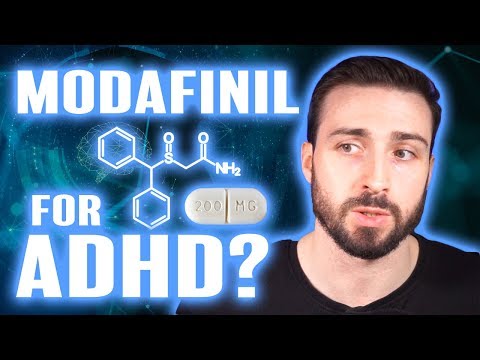
The legal status of substances and prescription requirements hinge on controlled substance classifications enforced by national health agencies. Medications like antibiotics or opioids often demand a valid script from a licensed practitioner, as they pose risks of dependency or misuse. Over-the-counter (OTC) drugs, such as pain relievers or allergy meds, bypass this rule, being freely available in pharmacies or retail stores. Key distinctions include:
- Prescription-only (Rx): Requires physician evaluation; includes sedatives, stimulants, and hormones.
- Behind-the-counter (BTC): No prescription, but pharmacist interaction needed (e.g., pseudoephedrine).
- Unregulated/herbal: Varies by country; may have no legal oversight.
Q: Can I buy antibiotics online without a prescription? A: No—global laws strictly forbid this to prevent antibiotic resistance and adverse reactions. Always consult a doctor.
Accessibility and International Regulations

The legal status of substances like semaglutide varies globally, but it is universally classified as a prescription-only medicine due to its potent metabolic effects. Prescription requirements for semaglutide are strictly enforced to ensure patient safety, as improper use can lead to severe side effects such as pancreatitis or thyroid tumors. Typically, a licensed physician must evaluate your medical history, current health status, and risk factors before issuing a prescription. In most jurisdictions, obtaining it without a valid prescription is illegal, and online sales without a medical consultation are considered fraudulent. Always verify the credentials of any online pharmacy or telehealth provider before purchasing semaglutide.
Key regulatory points to consider:
- Requires a valid prescription from a licensed healthcare provider.
- Over-the-counter availability is prohibited in nearly all countries.
- Compounding pharmacies may offer custom formulations, but they must adhere to strict local regulations.
- Importing semaglutide from unregulated sources is often subject to customs seizure and legal penalties.
User Suitability and Lifestyle Factors
Understanding user suitability and lifestyle factors is critical for selecting any product or service, as alignment with your daily routine ensures lasting satisfaction and value. Your habits, time availability, and personal preferences must directly inform your choice; ignoring these elements leads to frustration and wasted resources. Those who prioritize compatibility over impulse often achieve the most sustainable results. For example, a busy professional should seek time-efficient solutions, while a home-based individual may prioritize depth and customization. Ultimately, your unique circumstances dictate what truly fits. By honestly assessing your activity level, social needs, and long-term goals, you can confidently select an option that integrates seamlessly into your life, rather than forcing a mismatch. This proactive evaluation of user suitability and lifestyle factors prevents regret and maximizes your investment.
Adderall: Best for Academic or High-Stress Work Environments
User suitability for smart home devices hinges entirely on lifestyle factors. If you thrive on routine and crave automation to eliminate mundane tasks, a fully integrated ecosystem is your perfect match. However, if you value spontaneity and dislike managing constant notifications, a minimal setup is wiser. Key lifestyle considerations include:
- Daily Schedule: Fixed routines benefit from automated lighting and thermostats; erratic schedules require voice-control flexibility.
- Tech Tolerance: Enthusiasts enjoy mesh networking and custom routines; low-tolerance users should stick to plug-and-play hubs.
- Privacy Priorities: Camera placement and data sharing must align with your comfort level.
Ultimately, the best system adapts to your habits—not the other way around. Prioritize devices that solve your specific pains, not those that impress with features you’ll never use.
Modafinil: Preferred for Shift Workers and Sustained Alertness Tasks
User suitability really comes down to matching a product or service with your daily habits and personal rhythm. Lifestyle integration is key for long-term satisfaction, so think about how much time you can realistically commit and whether your environment supports it. For instance, a home gym setup fits a busy parent who works out at dawn, but might frustrate someone who prefers a social gym vibe. Consider these factors:
- Time availability – Do you have consistent slots in your week?
- Space & budget – Is your living area or wallet suited to the investment?
- Motivation style – Do you thrive on deadlines (apps/coaches) or flexibility (DIY).
If a tool clashes with your daily flow, you won’t stick with it—no matter how good it looks on paper.
The bottom line: always test-drive before committing. A perfect match feels effortless, not like a chore you have to squeeze in.
Stacking and Combination Strategies
User suitability for any product or service hinges on a careful evaluation of lifestyle factors. Understanding personal routines and constraints ensures sustainable adoption and satisfaction. For example, a fitness app suits an individual with a packed schedule only if it offers quick, flexible workouts. Similarly, dietary plans must align with cooking habits and social commitments.
No tool or program will succeed if it fights against your daily reality.
To gauge suitability, consider these core elements:
- Time availability: Can you dedicate the required minutes or hours consistently?
- Environment: Does your home, workspace, or social circle support the change?
- Motivation style: Are you self-driven, or do you need external accountability?
Evaluating these factors honestly prevents frustration. A mismatch between user needs and product demands always leads to abandonment. Tailoring choices to your life, not just your goals, is the expert approach.
Cost and Generic Availability
When the patent for a lifesaving asthma inhaler finally expired, the market’s landscape shifted overnight. The drug’s original manufacturer had held a monopoly for years, setting a price that forced families to choose between rent and breath. Then, generic availability arrived like a quiet revolution. Multiple pharmaceutical companies began producing identical chemical compounds, and the cost plummeted by over 70%. This newly accessible affordable medication meant a single mother could finally stock her son’s medicine cabinet without fear. The generic drug prices, once a footnote in medical journals, became a lifeline for millions. That expiration date on the patent was more than legal paperwork—it was the day a chronic condition transformed from a financial disaster into a manageable part of life.
Adderall: Generic vs. Brand Names
When evaluating medication costs, the shift from brand-name to generic drugs is the single most effective strategy for reducing expenses. Generics offer identical clinical benefits at a fraction of the price, often 80–85% lower, due to market competition once patents expire. Always verify bioequivalence data with your pharmacist to ensure therapeutic equivalence. Key factors influencing cost include:
- Market exclusivity periods for brand-name drugs
- Number of manufacturers producing the generic
- Supply chain complexity for raw active ingredients
To maximize savings, request generic substitution at the pharmacy and use prescription discount tools. Generic availability directly drives affordable healthcare access by reducing out-of-pocket burdens for chronic disease management.
Modafinil: Affordable Generics vs. Provigil
The financial landscape of medication is governed by two key forces: development cost and market exclusivity. Once a drug’s patent expires, generic manufacturers can produce bioequivalent versions, drastically reducing prices. This shift is critical because generics typically cost 30% to 80% less than their branded counterparts, making treatment accessible. Generic medication availability is essential for healthcare cost containment, allowing patients and systems to avoid financial strain without sacrificing quality. The main drivers of these savings include:
- No need for costly clinical trials or marketing campaigns.
- Market competition among multiple manufacturers.
- Regulatory oversight ensuring identical safety and efficacy.
Choosing a generic over a brand-name drug is a safe, medically sound decision that protects your budget.
Always consult your pharmacist about generic options at the point of sale; they are the same active ingredient at a fraction of the cost.
Insurance and Out-of-Pocket Expenses
When evaluating pharmaceutical costs, the transition from brand-name to generic availability is the single most effective strategy for reducing healthcare expenses. Generics, which contain the identical active ingredients, are typically 30% to 80% cheaper than their branded counterparts, a differential driven by the absence of research and marketing costs. This price drop, however, is contingent on market competition and the number of manufacturers securing FDA approval. Always verify bioequivalence ratings to ensure therapeutic equivalence for your patients. Key factors influencing final cost include: insurance formulary tier placement, pharmacy network discounts, and the specific strength or dosage form required. Generic drug pricing models demonstrate that early-entry generics provide the steepest savings, while sole-source generics may still command higher rates until additional competitors enter the market.
Risk of Interactions and Contraindications
Martha, a vibrant sixty-eight-year-old, swore by her morning grapefruit juice, never thinking it could clash with the new cholesterol medication her doctor prescribed. Within days, she felt dizzy and nauseous, her muscles aching. The problem wasn’t the drug itself, but the dangerous interplay with her daily citrus. This common scenario highlights a critical truth: **drug interactions** are not rare anomalies. They occur when supplements, foods, or other medications alter how a substance works, potentially leading to toxicity or failure. Her case underscores the importance of carefully managing **contraindications**—specific health conditions or concurrent treatments that make a medication inherently unsafe. A patient with liver issues, for example, may face fatal risks from certain painkillers. Martha’s lesson was a stark reminder that every pill we swallow enters a complex biological ecosystem, where even a simple glass of juice can tip the balance between healing and harm.
Adderall: MAOIs, SSRIs, and Heart Conditions
Understanding the risk of interactions and contraindications is critical before taking any new medication or supplement. Even common drugs like blood thinners or antidepressants can clash dangerously with over-the-counter pain relievers, herbal remedies like St. John’s Wort, or certain foods such as grapefruit. A contraindication—a specific condition where a drug should be avoided entirely—can turn a routine prescription into a serious health threat. For example, patients with liver disease or a history of bleeding ulcers often face strict prohibitions against NSAIDs. To stay safe, always disclose your full medical history to your pharmacist, and never mix therapies without professional guidance.
Modafinil: Hormonal Contraceptives and Anticoagulants
In the quiet of a morning routine, a patient swallows their prescribed blood thinner alongside an over-the-counter herbal supplement, unknowingly setting the stage for a dangerous chemical clash. This is the root of all drug interaction risks, where one substance alters another’s effect—amplifying toxicity or canceling out intended benefits. The body becomes a battlefield, especially when multiple prescriptions meet common triggers like grapefruit juice or pain relievers.
“A single supplement can turn a life-saving drug into a silent threat.”
Contraindications, meanwhile, are hard lines drawn by medical history—such as avoiding a specific antibiotic if you’ve ever had a heart rhythm disorder. These pitfalls are not rare. Common risk factors include:
- Taking more than five daily medications
- Using herbal remedies (e.g., St. John’s Wort) without disclosure
- Having chronic conditions like kidney disease or liver impairment
Every pill or plant added to the mix is a new variable in a delicate equation, where clarity from a pharmacist can prevent the unintended consequence of care turning into harm.
Pregnancy and Pre-Existing Conditions
Risk of interactions and contraindications often lurk where patients least expect them—in the combining of prescriptions, over-the-counter drugs, or herbal supplements. One man, managing high blood pressure with a common medication, added a grapefruit-rich diet for health, unaware that the fruit could dangerously amplify his drug’s potency. This illustrates how **medication safety** hinges on vigilance. Interactions may reduce efficacy or trigger toxicity, while contraindications render a substance wholly unsafe, such as with pregnancy or liver disease. To avoid harm, always review these factors:
- Check all medications with your pharmacist.
- Disclose any supplements or herbal teas.
- Read labels for warnings like “avoid alcohol.”